
Clash of the Titans… China Breaks Trump’s “Siege” — and Oil Is the Victim!
US blockade of Venezuelan oil tankers to strangle the country’s revenue, a swift and sharp statement came from Beijing.
NEWS-GLOBALARTICLES
Jaalle
12/21/20252 min read
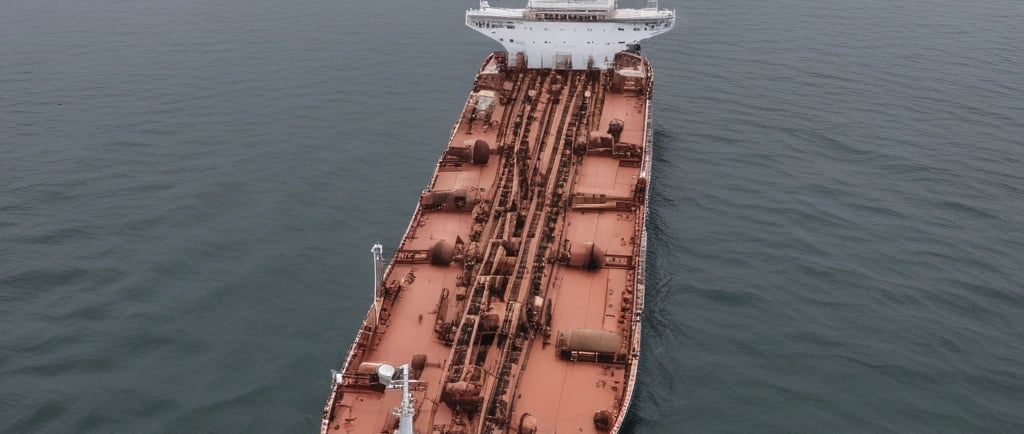
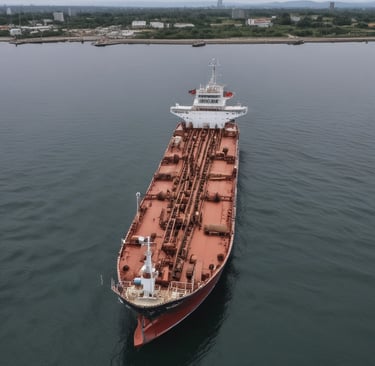
Clash of the Titans… China Breaks Trump’s “Siege” — and Oil Is the Victim! 🛢️
Just hours after President Donald Trump ordered a blockade of Venezuelan oil tankers to strangle the country’s revenue, a swift and sharp statement came from Beijing. China didn’t just sit back — it rebuked the U.S. and declared that the era of “economic bullying” is over, raising the risk of a confrontation on the high seas. 
📊 By the Numbers (Action and Reaction):
1️⃣ The U.S. strike: Trump ordered a “total and complete” blockade of sanctioned oil tankers entering and leaving Venezuela and increased U.S. military presence in the region — part of his broader pressure campaign on Nicolás Maduro’s government. 
2️⃣ China’s response: China condemned what it described as unilateral bullying and coercion, voicing support for Venezuela’s sovereignty. Chinese officials criticized these moves as illegitimate but did not outline specific military aid or guarantees. 
⚠️ The Geopolitical Stakes (Proxy Conflict):
This isn’t really about “democracy in Venezuela.” It’s about power politics and influence.
Washington’s blockade aims to cut off Venezuela’s main source of income, hitting crude exports that are largely destined for China (which has been a major buyer of Venezuelan oil). 
Beijing’s condemnation — framing U.S. actions as “unilateral bullying” — signals that it rejects U.S. measures that impact its energy interests. 
🔍 Behind the Scenes (Shadow Shipping & Enforcement):
• Sanctions enforcement: After Washington seized a sanctioned tanker off Venezuela’s coast, many operators began avoiding Venezuelan oil routes due to fear of seizure — disrupting exports. 
• Market impact: The threat of a sustained blockade has already influenced markets: oil prices rose on geopolitical risk fears, though broader price trends depend on many factors. 
• International law and escalation: Experts have raised questions about whether such a naval blockade constitutes an act of war under international law — increasing legal and diplomatic risks. 
💡 Bottom Line:
The world appears increasingly divided: the U.S. using sanctions and naval power to squeeze Venezuela; China publicly defending sovereignty and opposing unilateral coercion. Oil has now become a weapon of geopolitics, and the enforcement and reactions to the blockade could influence both energy markets and strategic relationships. 
💬 Discussion point: With China’s public stance, will the U.S. militarily intercept vessels heading toward China with Venezuelan oil in the Caribbean? Or will the blockade remain mostly diplomatic and financial, allowing exports to continue through evasive routing and diplomatic pushback?
#Economy #China #USA #Venezuela #Trump #Oil #Energy #Geopolitics #ColdWar #OilBlockade
References:
1. Bloomberg — Reporting on U.S. sanctions, oil trade flows, and China–Venezuela energy relations.
2. Reuters — Coverage of U.S. pressure campaigns on Venezuela and Chinese responses to unilateral sanctions.
3. U.S. Department of the Treasury (OFAC) — Official statements and sanctions framework related to Venezuelan oil exports.
4. Ministry of Foreign Affairs of the People’s Republic of China — Statements opposing unilateral sanctions and “economic coercion.”
5. International Energy Agency (IEA) — Analysis of global oil supply risks and geopolitical disruptions.
6. Lloyd’s List / Maritime Intelligence — Reporting on “dark fleet” tanker activity and sanctions evasion in global oil shipping.
7. Council on Foreign Relations (CFR) — Background analysis on U.S.–China strategic competition in Latin America.
8. United Nations Convention on the Law of the Sea (UNCLOS) — Legal context regarding naval blockades and freedom of navigation.